Jul. 24, 2026
The working principles of textile machinery mainly cover three stages: spinning, weaving and finishing. During spinning, textile machinery processes raw fibers through drawing, twisting and fining to produce more uniform and elastic yarn. Meticulous control and adjustment are required in this process to ensure the finished yarn meets quality standards.
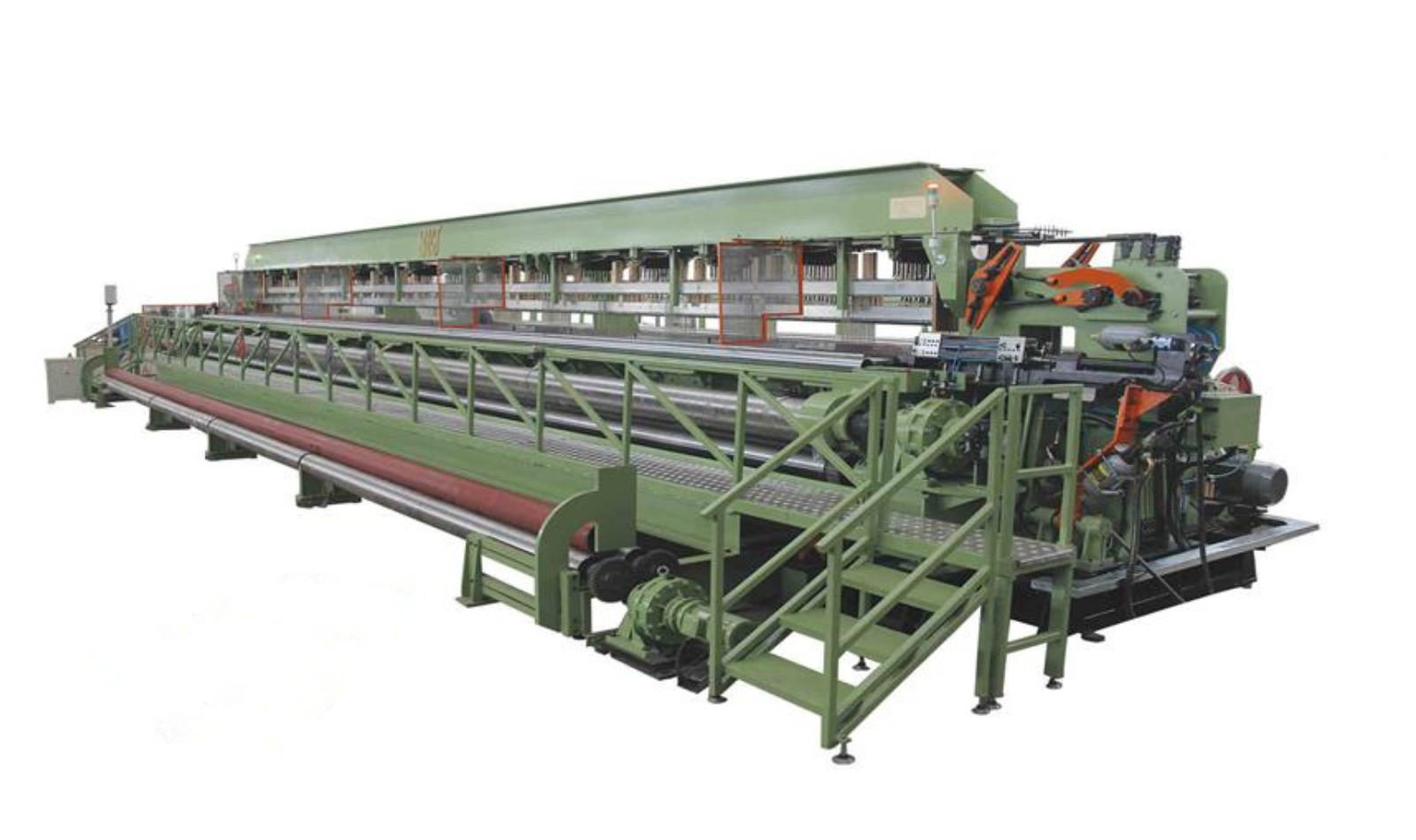
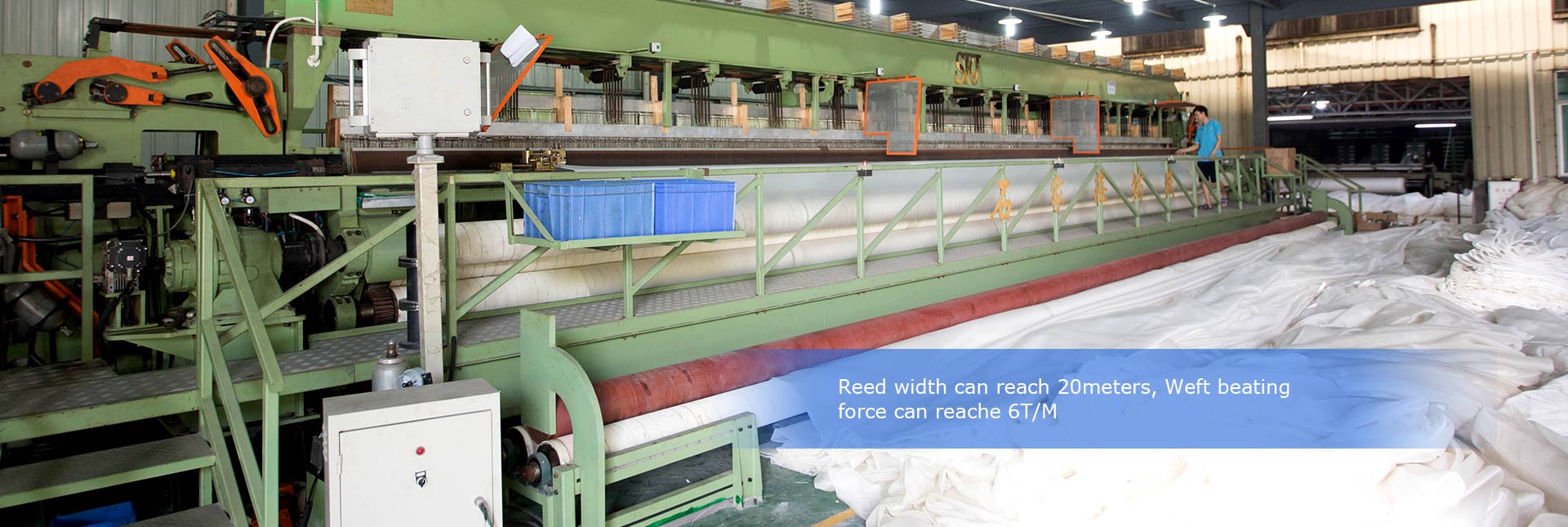
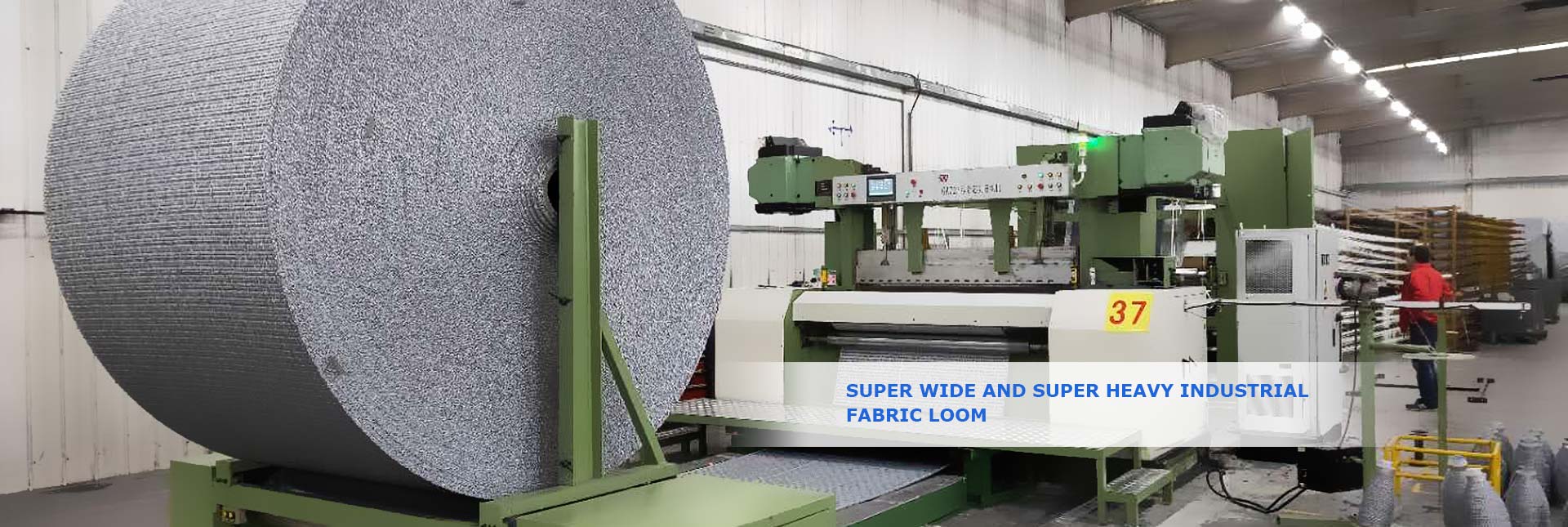
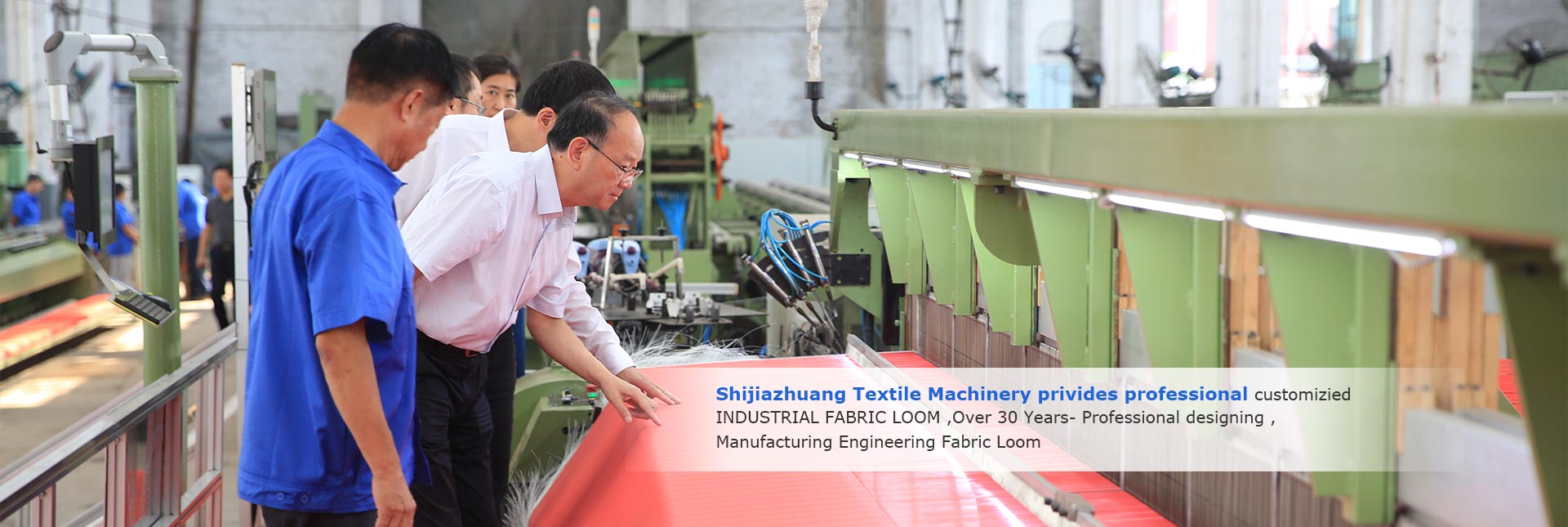
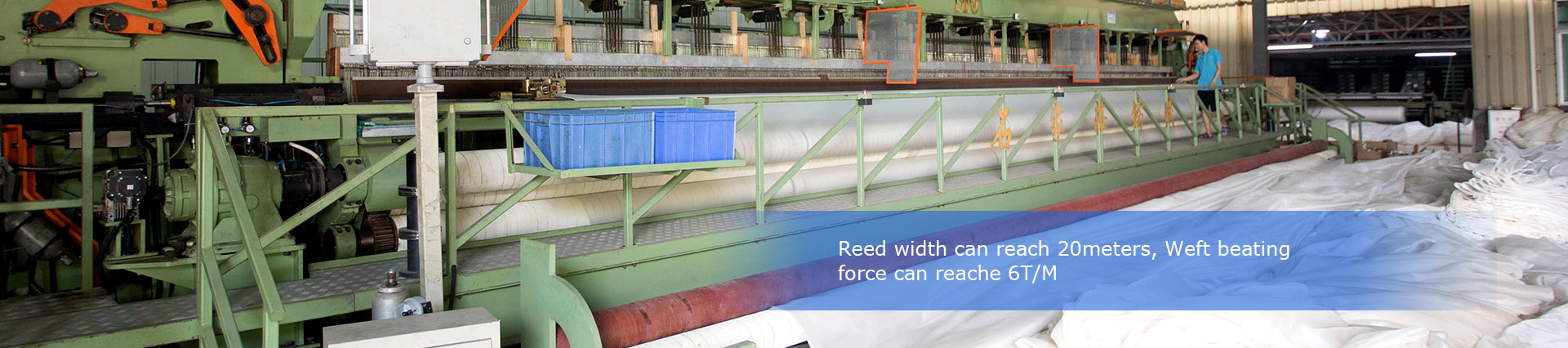
Weaving constitutes another vital part of textile machinery, which primarily involves the interlacing of warp and weft yarns to form fabrics. Looms operate by interweaving warp and weft yarns to build the basic structure of cloth. Based on preset weaving patterns and technical parameters, looms regulate the movement path and density of warp and weft yarns, enabling the production of fabrics with diverse styles and textures.
Lastly, the finishing stage consists of fabric post-treatment and coating processes. Finishing machinery carries out thermal setting, calendering, pressing and other treatments to endow fabrics with desired hand feel and appearance. Coating machinery can impart special properties such as water resistance and dust resistance to fabrics to satisfy various application requirements.
In summary, relying on precise operating mechanisms, textile machinery converts raw fibers into finished fabrics and delivers essential support to textile manufacturing. An in-depth understanding of the working principles of textile machinery helps boost production efficiency and product quality, thus driving the development of the textile industry.