Jun. 26, 2026
I. Material Selection
The skeleton material bears almost all loads during the operation of the conveyor belt. Therefore, the core material is required to feature high tensile strength, excellent dimensional stability, good flex resistance, firm splicing performance, favorable troughability and outstanding impact resistance.
Compared with polyester industrial filament yarn, polyamide industrial filament boasts higher strength, lower density, superior impact resistance and abrasion resistance. For this reason, polyamide industrial filament is suitable to be adopted as warp and weft load-bearing yarns for manufacturing high-strength solid woven belt cores.
The quality of cotton covering yarn exerts a critical influence on the splicing service life of flame-retardant solid woven conveyor belts. During the structural design of belt cores, two factors shall be taken into account: the paste adhesion amount of cotton yarn during impregnation and the structural integrity of finished products to avoid loosening in service. High-quality cotton yarn of 833 dtex or 583 dtex can be selected as the covering cotton.
II. Structural Design
The key to structural design of high-strength solid woven belt cores lies in controlling warp and weft density, ply count and cotton-filament ply combination. Excessively high density, excessive plies or over-thick plies will hinder the penetration of impregnating paste and thus impair the physical properties of finished products.
Increasing the cotton content of the belt core can improve the adhesion between cover rubber and the core. However, excessive cotton content will not only obstruct impregnation, but also reduce the safety performance of the conveyor belt and push up production costs. Accordingly, the cotton content of the belt core shall meet the minimum requirements specified in MT317–2002 during design.
III. Fabrication of Solid Woven Belt Core
(1) Twisting
Filament and cotton yarn are fed onto twisting machines for twisting and doubling according to preset twist levels.
Excessively high twist will increase weaving shrinkage, impede paste penetration and compromise product safety; excessively low twist prevents filament or cotton yarn from forming uniform cohesive force, deteriorating the service performance of finished products.
(2) Harness Threading and Weaving
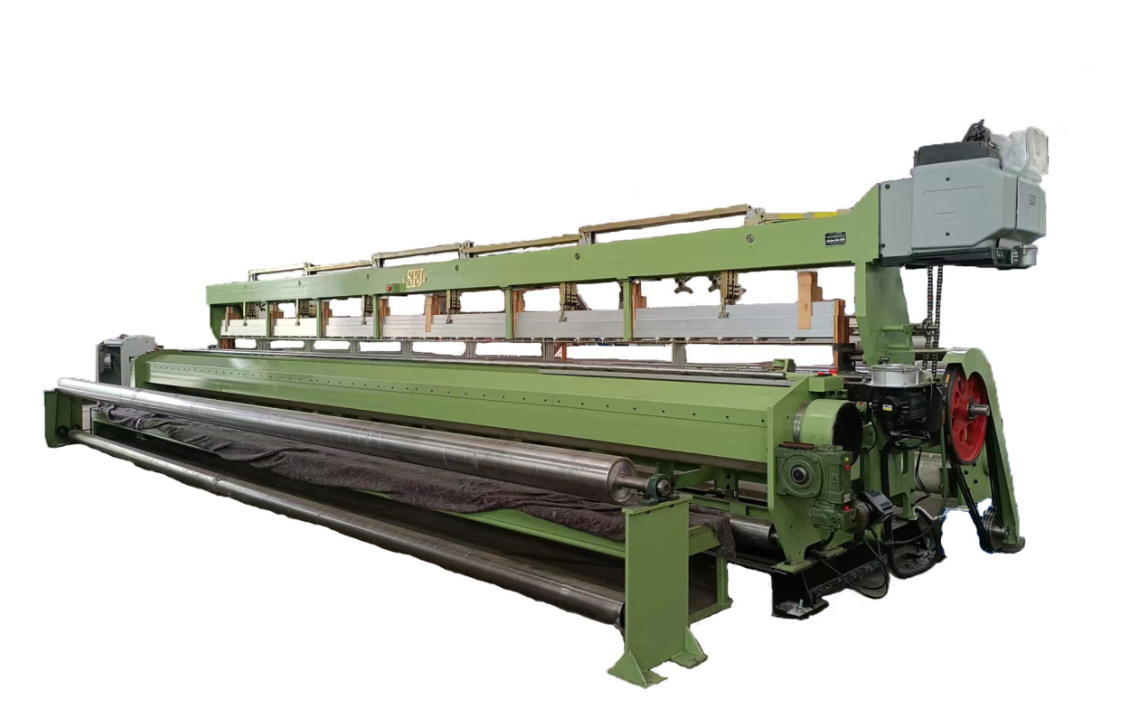
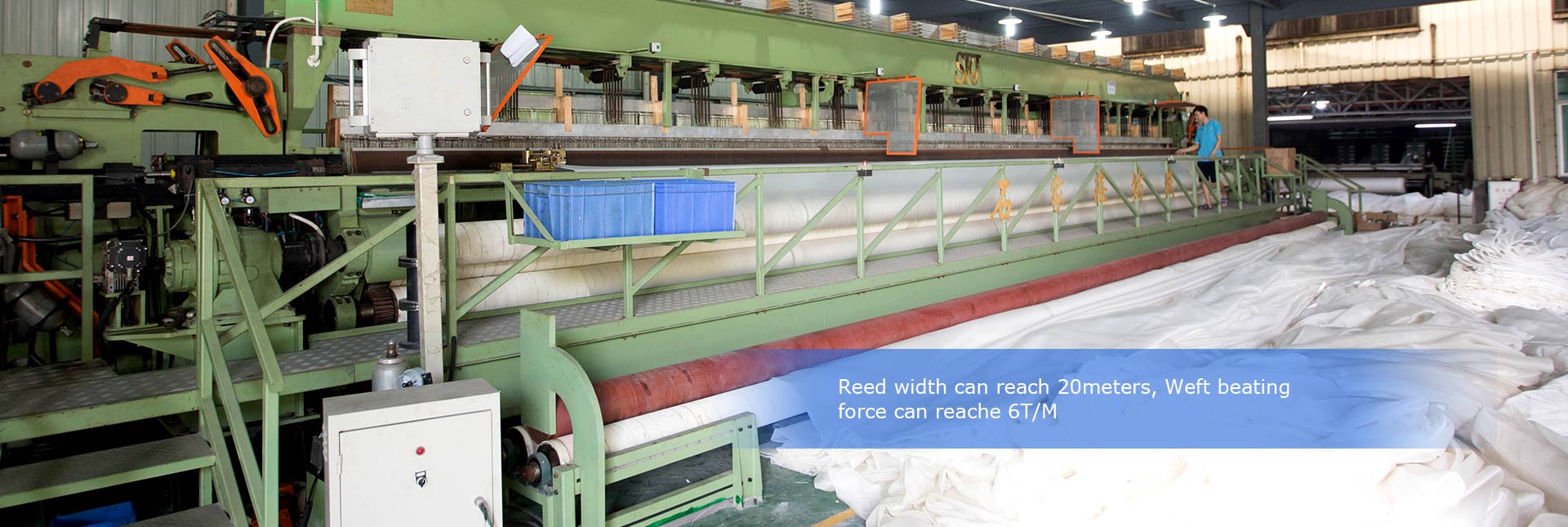
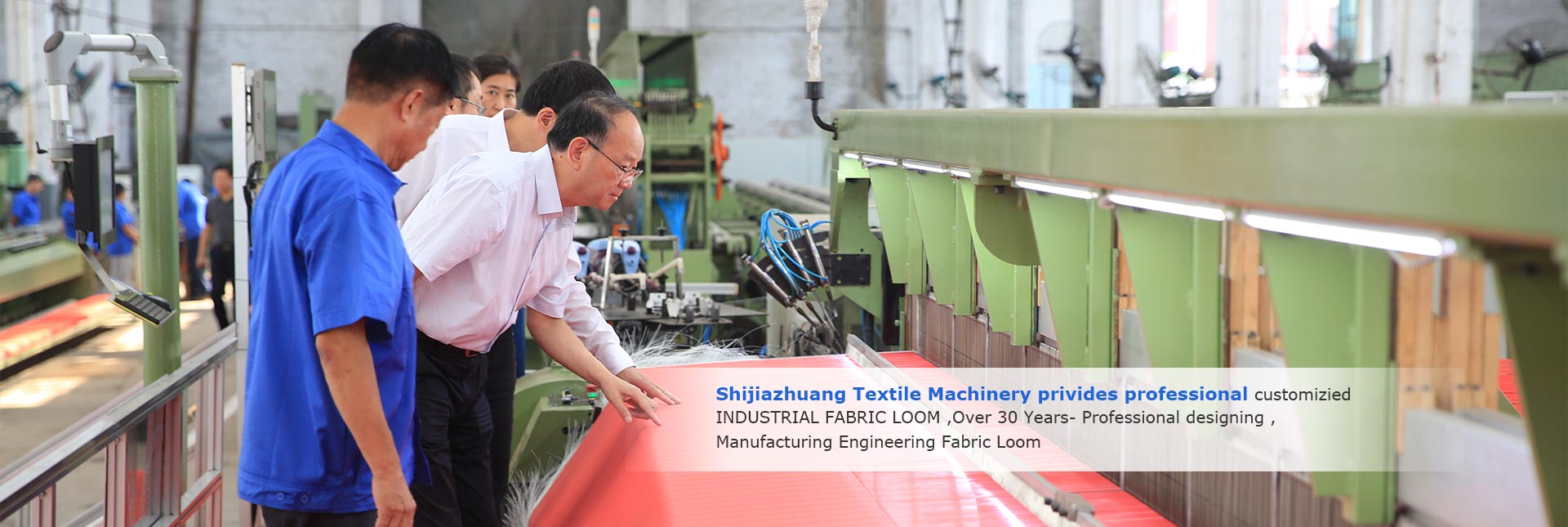
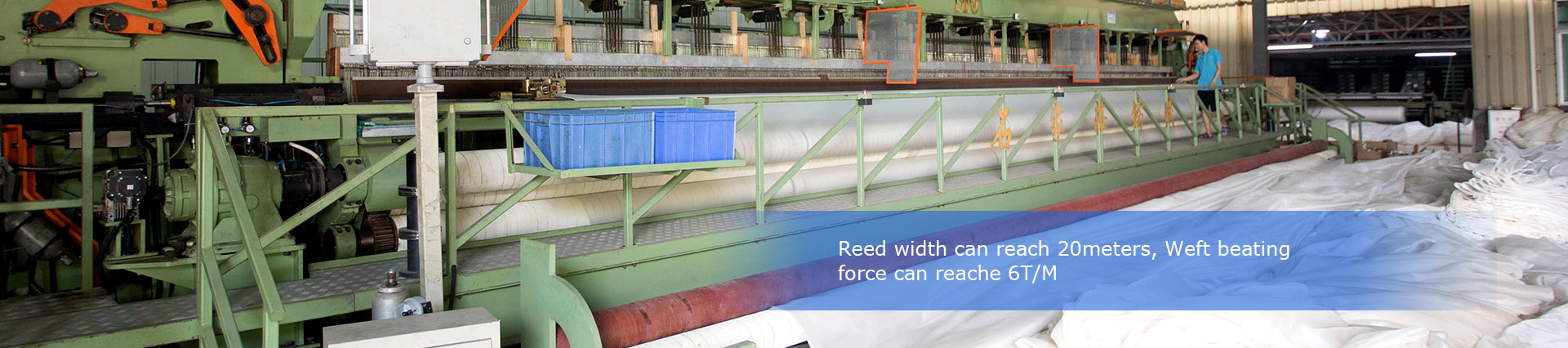
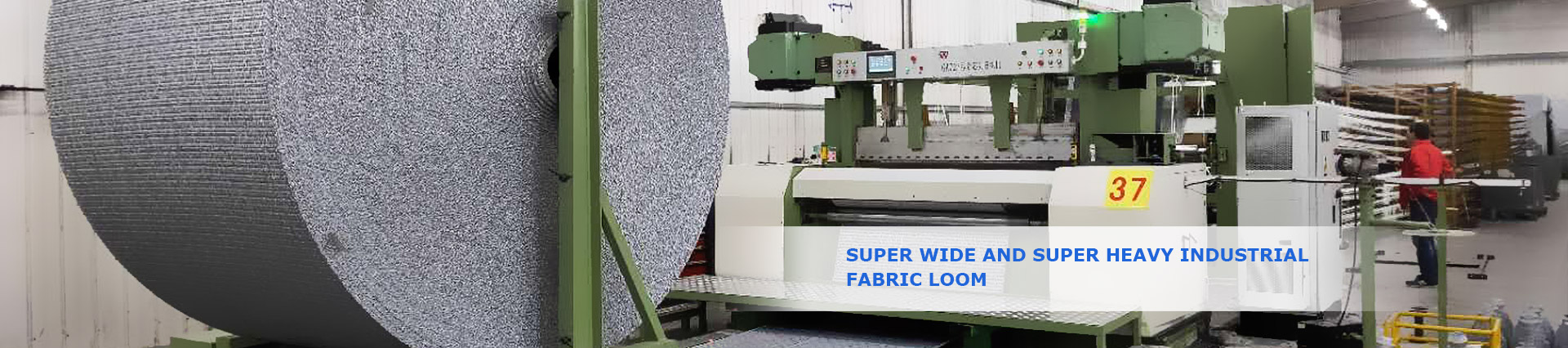
High-strength solid woven belt cores are woven on heavy-duty looms. Twisted yarns are first placed on creels and wound onto tension rollers respectively. The filament and cotton yarns are then threaded through heddles and reed dents via straight threading (or reverse threading) to start weaving.
Thread shortage and cotton yarn deficiency shall be avoided throughout weaving. The tension of each filament and cotton ply must be consistent. Uneven tension at selvedges will cause tight-loose selvedge defects, leading to belt deviation during operation. Uneven tension or slackness in other areas results in uneven stress distribution and premature failure of the belt core in service.
3.2 Fabrication of Unimpregnated Belt Blank
(1) Paste Preparation
Impregnating paste is mixed in low-speed mixers and ground via three-roll mills. The paste preparation temperature shall be kept below 40 °C to avoid viscosity rise caused by temperature elevation.
Processing duration is determined by actual production conditions: insufficient mixing time leads to uneven dispersion of powder raw materials; overly long mixing time results in excessively high initial paste viscosity, which inhibits full infiltration of paste into core plies. The roll gap shall be adjusted before grinding, and cooling water shall be kept circulating. The paste shall be ground at least twice to guarantee fineness and uniform dispersion, with particle size controlled below 45 μm.
High-strength flame-retardant solid woven conveyor belts feature light weight, high tensile strength, low elongation, superior tear resistance and penetration resistance against heavy falling materials. They are applicable to long-distance, high-volume conveying scenarios with high transport efficiency, and can be matched with existing conveyors designed for steel cord conveyor belts of the same specification.
In developed European countries, high-strength PVC and PVG flame-retardant solid woven conveyor belts have been widely applied in underground mining since the late 1970s. In China, apart from several Sino-foreign joint ventures, most manufacturers lag behind in the research and development of high-strength flame-retardant solid woven belt cores due to limitations in production equipment and raw material supply.
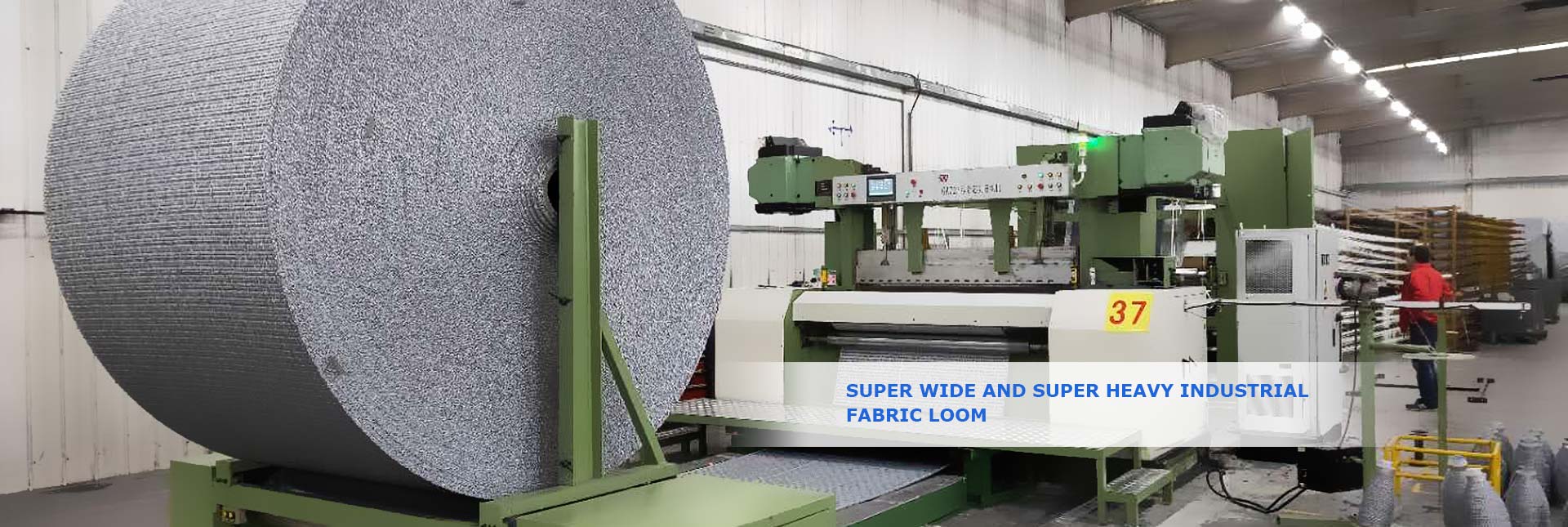
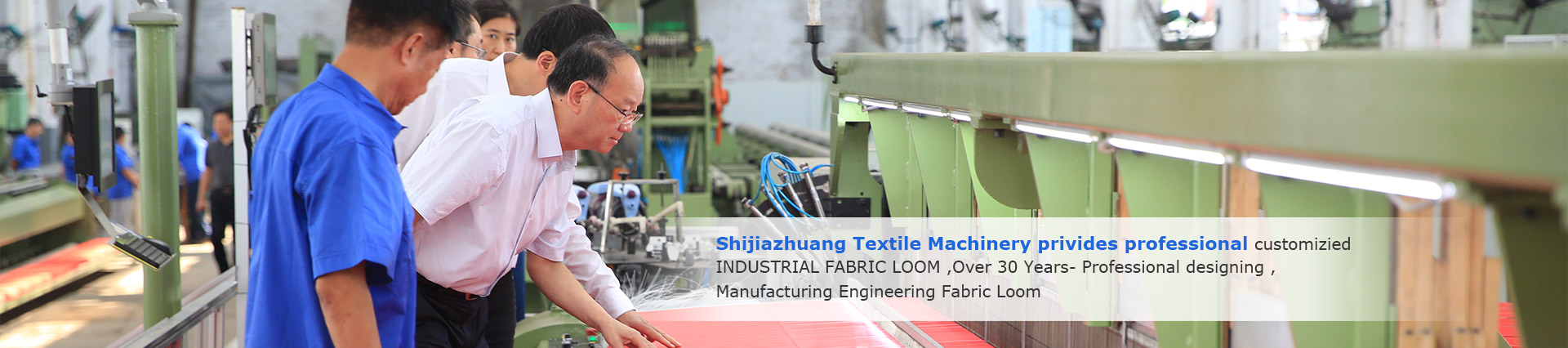
In response to market demand and based on its existing tooling conditions, Shijiazhuang Textile Machinery Co., Ltd. has independently developed new weaving equipment for high-strength flame-retardant solid woven belt cores of grade 1600S and above, which has been put into use for the production of high-strength flame-retardant solid woven conveyor belts.