Sep. 30, 2026
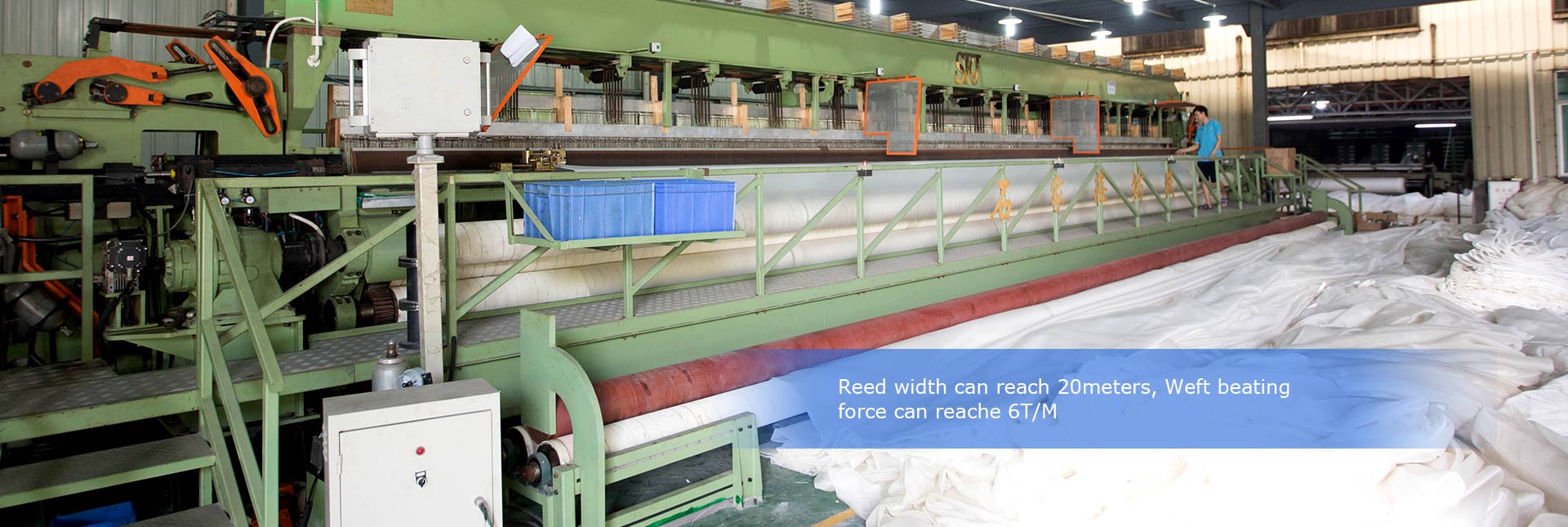
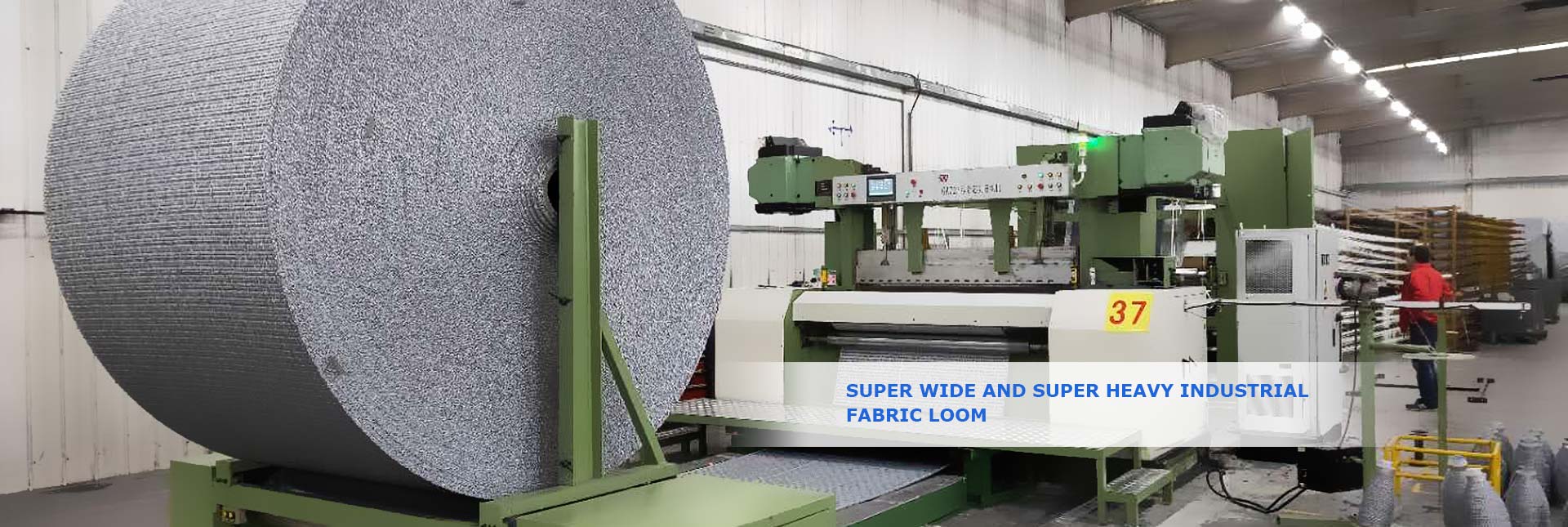
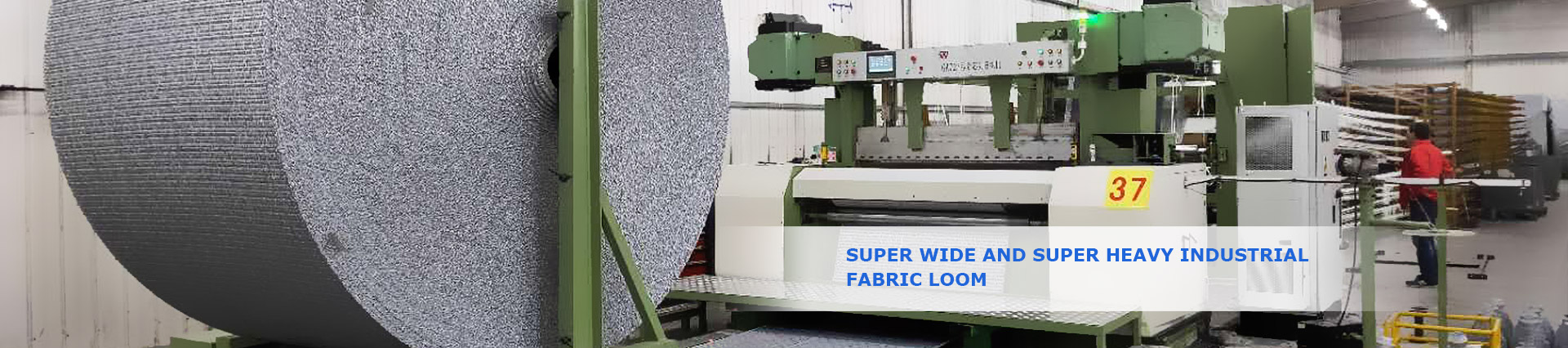
In recent years, with the rapid iteration of new materials and intelligent manufacturing technologies, special weaving machines have gradually become an important development direction in the textile equipment sector. Compared with conventional looms, special weaving machines break the limits of ordinary fabric weaving. While improving production efficiency, they greatly expand the range of textile products and provide core equipment support for the development of technical textiles. Traditional looms can only produce fabrics with basic structures. By adopting differentiated weaving principles, special weaving machines unlock opportunities for the R&D and production of high-end special fabrics.
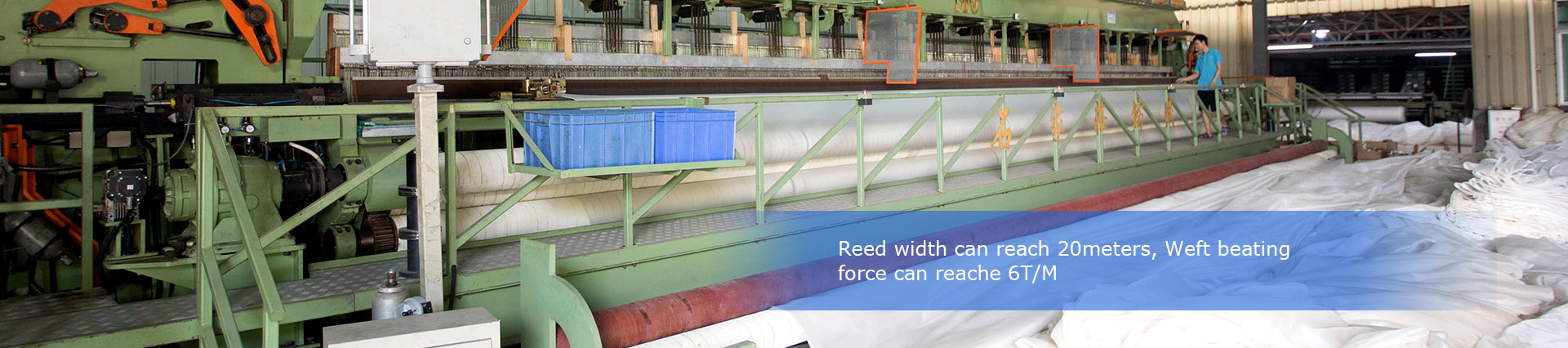
Special weaving machines differ greatly from ordinary looms in design concepts and structural configurations. Their key advantages are summarized as follows:
· High Efficiency: Equipped with automated and digital mechanisms, they enable high-speed continuous weaving, shorten production cycles and boost output capacity.
· Product Diversification: Capable of weaving complex structured fabrics such as multi-layer, profiled and 3D textiles to meet diverse customized market demands.
· Eco-friendliness: Many new-type special weaving machines optimize yarn waste and energy consumption, reduce resource loss during production and comply with the sustainable development requirements of manufacturing industry.
Special weaving machines have a broad range of applications. Apart from civil textile sectors including apparel and home textiles, they demonstrate outstanding value in technical textiles. In the military industry, they weave highly wear-resistant and tear-resistant special fabrics for protective combat uniforms. In aerospace, they form lightweight, high-strength composite preforms as base materials for aircraft components. Besides, special weaving machines are also essential for filter materials, geotextiles, medical textiles and other fields.
Continuous technological upgrading improves the performance of special weaving machines. The adoption of intelligent control systems simplifies operation and enhances weaving precision and product consistency. Many equipment manufacturers are increasing investment in R&D and launching new models of special weaving machines. As the technical textile market keeps expanding, special weaving machines hold huge market potential and the industry embraces a promising development window.
The special weaving machine industry faces both opportunities and challenges. At present, the sector is confronted with high R&D costs of core equipment, relatively high manufacturing expenses, and shortage of skilled technicians and R&D talents. Nevertheless, challenges bring opportunities. If the industry keeps tackling core technologies and builds a complete talent training system, the market space of special weaving machines will be further expanded.
In summary, with unique technical strengths, special weaving machines are playing an increasingly important role in the transformation and upgrading of the textile industry. In the future, special weaving machines will penetrate more emerging industries and empower the development of high-end new materials. From the perspective of economic benefits, green manufacturing and domestic substitution of advanced materials, special weaving machines enjoy bright prospects and will continuously drive the transformation and upgrading of the textile industry.